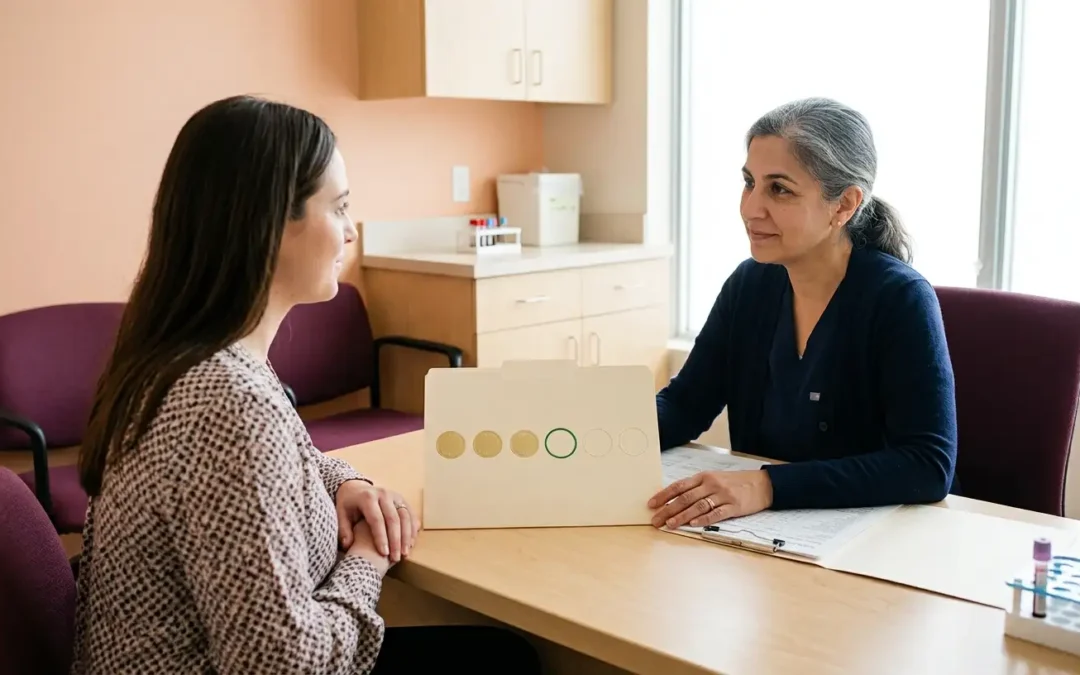
Donating your eggs is a generous, deeply personal decision, and like anything that matters, it has an emotional side that deserves as much preparation as the medical one. Feeling ready in your body is part of it; feeling settled about what you’re doing and why...
Every year, Intended Parents across Canada begin the search for an egg donor who shares their ethnic, cultural, or religious background, and far too often the pool of available donors is simply too small to find one. Canada is one of the most diverse countries in the...
Egg donation is one of those experiences that many donors find deeply rewarding, rewarding enough that a lot of people who do it once want to know whether they can do it again. It’s a natural question, and an important one: how many times is it actually safe to...
If you’ve searched “donate eggs near me,” you were probably trying to figure out whether there’s a program in your city, and whether you need to live close to the people you’d be helping. It’s one of the most common things...
Age is the single biggest factor in egg donation. A donor’s age affects egg quality and quantity more than almost anything else a clinic screens for, so nearly every fertility clinic and agency sets an age range for the donors it accepts. In Canada, that range...
Choosing to build your family through donor eggs is a profound decision that involves not just medical and legal preparation, but deep emotional work. Acknowledging and preparing for the emotional dimensions of this journey helps you move forward with resilience,...